Hair transplantation offers an effective and permanent solution for those struggling with hair loss. However, just as important as the procedure itself is the healing period afterward, which is critical for the final result. The care you take after the operation directly affects how well the transplanted grafts anchor, how cleanly the wounds heal without infection, and how strong the new hair will grow. This guide details the key steps you should follow for a successful recovery after a hair transplant.
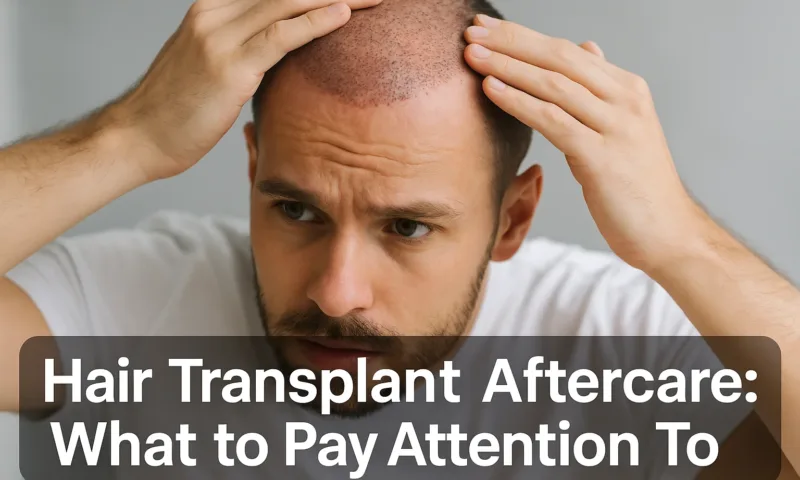
Things to Pay Attention to After a Hair Transplant
The First Days After the Procedure (First 3–5 Days)
The first few days after the operation are the most sensitive period. Maximum care must be taken to protect the transplanted area.
1. Managing Pain and Swelling
Swelling:
Swelling in the forehead and around the eyes is normal. To reduce it:
- Sleep with your head elevated for the first 48 hours (high pillow).
- Apply cold compress or ice as instructed by your doctor.
- Avoid bending your head forward.
Pain:
Mild pain or discomfort can be felt. Use the painkillers prescribed by your doctor regularly as directed.
Ready to Get Started?
Contact us today for a free consultation and take the first step towards your transformation.
Get Free Consultation2. Sleeping Position
For the first 5–7 days, sleep on your back with your head elevated (using two pillows or a travel pillow).
Avoid any contact or friction between the transplanted area and the pillow or bed.
3. Medication Use
Take all prescribed medications (antibiotics, painkillers, anti-edema drugs) regularly and at the doses recommended by your doctor.
4. Protecting the Area from Contact and Trauma
- Do not touch, scratch, or rub the transplanted area.
- Be extremely careful when putting on or taking off clothes (especially tight collars, t-shirts, hoodies).
The First Week and Beyond (First 10–14 Days)
Although slightly less critical than the first few days, this period still requires careful attention.
1. First Hair Wash and Subsequent Washes
First Wash:
Usually performed 2–3 days after the operation, in the clinic or under clinical guidance, using special lotion and shampoo. The aim is to clean the area gently without damaging the grafts.
Later Washes:
- Wash your hair as instructed by your doctor, using the recommended products.
- Wash gently with your fingertips, like a light massage—never rub aggressively.
- Avoid strong water pressure and do not hold the showerhead directly over the transplanted area.
- Let the scabs fall off on their own; never pick or peel them.
2. Sun Exposure and Environmental Factors
- Protect the transplanted area from direct sunlight, strong wind, dust, and pollution.
- Use a wide, loose hat or beanie approved by your doctor that does not press on the recipient area.
3. Physical Activity and Sweating
For 10–14 days:
- Avoid heavy exercise, intense sports (running, fitness, weightlifting), and activities that cause heavy sweating.
- Excessive sweating increases infection risk and may damage the grafts.
- Sexual activity is usually recommended to be avoided for about 1 week to 10 days.
4. Nutrition and Lifestyle
Nutrition:
- Drink plenty of water.
- Eat a balanced diet rich in protein, vitamins, and minerals.
- Include vegetables, fruits, and quality protein sources to support healing.
Smoking and Alcohol:
- Both impair blood circulation, slow down healing, and reduce the chance of graft survival.
- Ideally, they should be strictly avoided for at least 10–14 days after the operation (and preferably longer).
Caffeine:
- Caffeine intake may be limited in the first few days, as it can affect blood circulation. Follow your doctor’s specific advice.
Long-Term Considerations
The most intense healing occurs in the first 2 weeks, but some points require attention for a longer period.
1. Haircut and Styling
- No hair clippers or shaving machines for the first month; only scissors should be used.
- For 3–6 months, avoid chemical processes such as hair dye, perm, or aggressive treatments.
- If you use a hairdryer, use low heat and keep it at a distance.
2. Shock Shedding
Around 2–3 weeks after the operation, and lasting up to 3–4 months, a phase called “shock loss/shedding” can occur.
- This is normal and expected.
- The transplanted hair shafts fall out, but the follicles remain under the skin and enter a resting phase.
- Over time, stronger and permanent new hair will grow from these follicles.
3. Pool, Sea, and Sauna
- For at least 1 month, avoid swimming pools, the sea, saunas, and similar environments.
- Chlorine and salty water can damage grafts and increase infection risk.
- Excessive heat and steam also promote sweating and irritation.
4. Hair Care Products
- Continue using the special shampoo and lotions recommended by your doctor.
- Avoid harsh, chemical-heavy products sold commercially unless approved by your specialist.
5. Follow-Up Visits and Communication
- Stay in regular contact with your clinic or doctor.
- In case of unexpected symptoms (excessive redness, swelling, pain, discharge, unusual crusting), contact your clinic immediately.
- Attend all scheduled follow-up appointments to monitor healing and hair growth.
Final Note
Hair transplantation is a process that requires patience and consistency. By strictly following these guidelines and prioritizing your doctor’s instructions, you can get through the healing period smoothly and achieve dense, natural-looking hair.