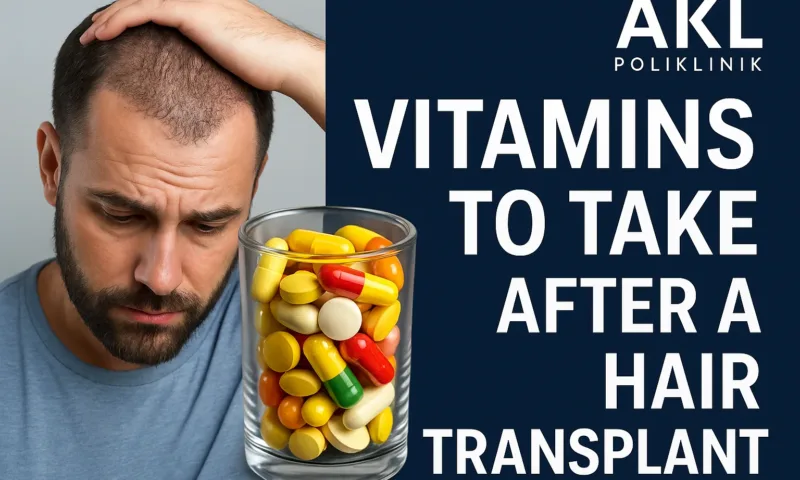
A hair transplant offers a permanent solution for hair loss, but the postoperative period is just as important as the procedure itself. During this phase, ensuring proper nourishment of the transplanted follicles is essential for their survival, strengthening, and healthy growth. Adequate intake of vitamins and minerals—whether through diet or supplements under medical supervision—can accelerate healing and optimize results. In this guide, we examine which vitamins and minerals can be beneficial after a hair transplant.
Why Are Vitamin Supplements Important?
A hair transplant is a surgical procedure that creates controlled trauma to the scalp. This increases the body’s need for energy and nutrients during the healing period. While a balanced diet is always important, daily intake alone may not fully meet the increased demand. At this point, supplements—when taken under medical supervision—can play a supportive role.
Beneficial Vitamins and Minerals After a Hair Transplant
1. Biotin (Vitamin B7)
Biotin is one of the best-known vitamins for hair health. It supports keratin production and helps strengthen hair follicles.
Ready to Get Started?
Contact us today for a free consultation and take the first step towards your transformation.
Get Free ConsultationBenefits:
- Improves hair quality
- Reduces breakage
- Promotes healthy growth
Sources: Egg yolk, nuts, almonds, sweet potatoes, onions, oats.
2. Zinc
Zinc plays a critical role in cell regeneration, tissue repair, and protein synthesis.
Benefits:
- Supports wound healing
- Strengthens the immune system
- Promotes follicle health
Sources: Red meat, shellfish, legumes, pumpkin seeds.
3. Iron
Iron is essential for oxygen transport in the blood. Adequate oxygen supply to hair follicles is necessary for healthy growth. Iron deficiency is a common cause of hair loss, especially in women.
Benefits:
- Enhances oxygen delivery to follicles
- Helps reduce shedding
Sources: Red meat, spinach, lentils, dried fruits.
(Iron supplements should only be taken under medical supervision.)
4. B-Complex Vitamins (Especially B5, B6, B9, B12)
These vitamins support metabolic processes, energy production, and healthy hair structure.
Benefits:
- Nourish hair follicles
- Support hair growth
- Improve hair strength
Sources: Whole grains, meat, fish, eggs, dairy, leafy greens.
5. Vitamin C
A powerful antioxidant essential for collagen synthesis. It also increases iron absorption.
Benefits:
- Supports collagen production
- Enhances iron absorption
- Strengthens the immune system
Sources: Citrus fruits, kiwi, strawberries, broccoli, peppers.
6. Vitamin E
Another strong antioxidant that improves circulation in the scalp.
Benefits:
- Provides antioxidant protection
- Supports scalp health
Sources: Nuts, seeds, vegetable oils, leafy greens.
Important Notes Before Taking Supplements
- Consult Your Doctor:
Always consult your transplant surgeon or dermatologist to determine which supplements you truly need. Blood tests may help identify deficiencies. - Proper Dosage:
Taking excessive vitamin doses can be harmful. Follow your doctor’s instructions carefully. - Choose High-Quality Products:
Prefer reputable brands and clinically tested supplements. - Balanced Diet First:
Supplements do not replace nutrition. Prioritize obtaining vitamins and minerals from natural food sources.
The right vitamin and mineral supplements can support healing and enhance hair growth after a transplant. However, supplements should always be taken under the guidance of a medical professional. A careful approach ensures optimal, long-lasting results.